What Science Startups Should Know Before Choosing Their First Lab
Choosing lab space affects much more than where your team works. It can influence capital needs, research timelines, hiring plans and your company’s ability to scale.
|
|
Share
Finding a first lab is an important milestone for a science startup. It can give a team the dedicated infrastructure needed to expand research, hire employees and work toward larger technical and commercial goals. It can also introduce costs and operating responsibilities that founders may not have encountered in an academic or shared environment.
Choosing lab space requires more than comparing rent and square footage. Founders need to understand whether a facility can support their scientific work, what it will actually cost to operate there, how the space can accommodate growth and what expertise will be available when practical challenges arise.
Whether your company is working in life sciences, clean technology, chemistry, advanced materials or another science-based field, the right decision begins with understanding what you need now and what you may need next.
KEY TAKEAWAYS
Before selecting a lab space, consider:
These considerations can help you build a practical requirements list before touring facilities and compare spaces based on whether they can actually support your science and business.
Start With the Work Your Company Needs to Do
Before comparing cost, location or square footage, define what will happen inside the lab. The requirements of a therapeutics company may differ significantly from those of a materials, chemistry, climate technology or diagnostics startup.
Map your anticipated work over the next 12 to 24 months:
- What experiments, processes or testing will your team perform?
- Will the work require biological containment, chemical handling or both?
- How many benches, fume hoods or specialized work areas will you need?
- What electrical service, ventilation, specialty gases or water systems will your equipment require?
- Will you need cold storage, shared instrumentation or hazardous-waste services?
- Which instruments will you bring, and which could be shared, loaned or accessed onsite?
- How many people will work in the lab now, and how quickly could the team grow?

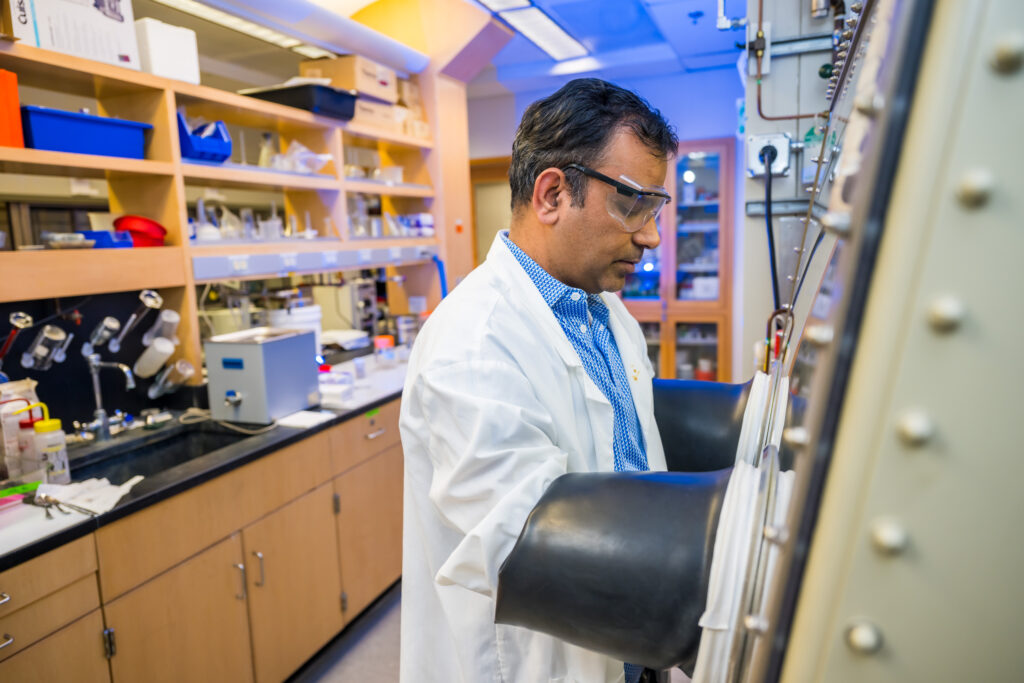
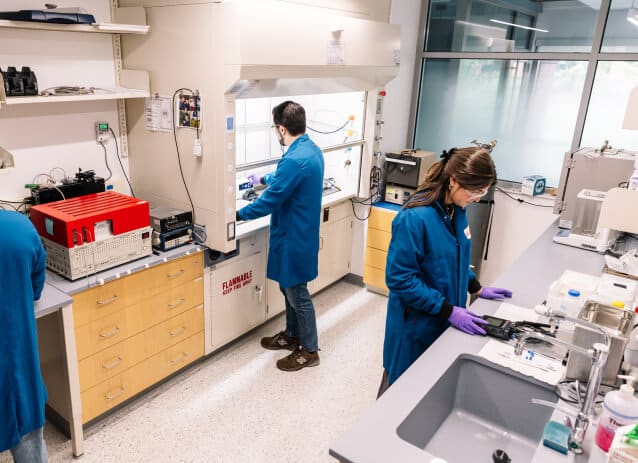
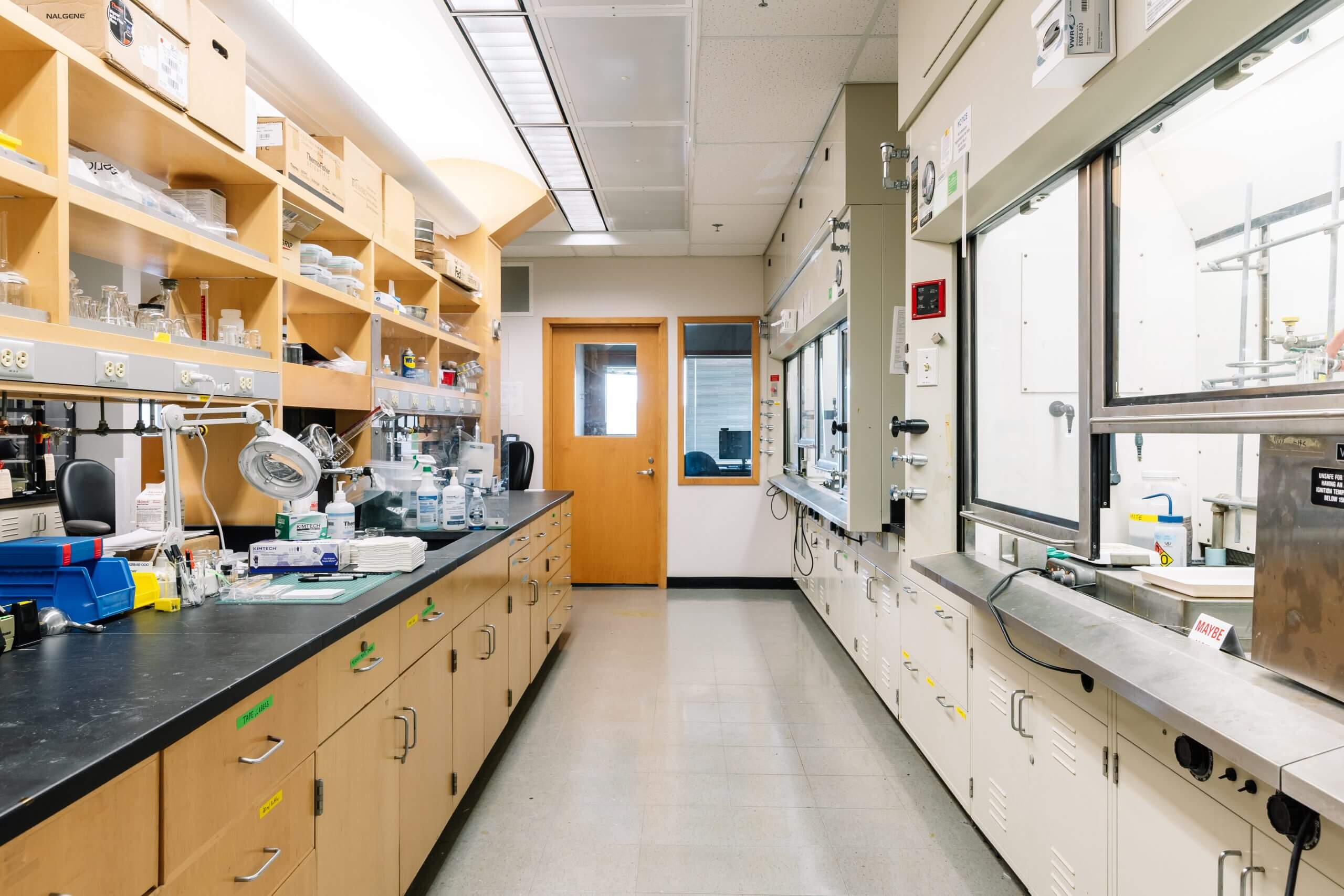
The right lab equipment provides the infrastructure to help your team make progress
The goal is not to predict every future need. It is to identify the infrastructure essential to reaching your next scientific and commercial milestones.
A lab may offer ample square footage and still be a poor fit if its utilities, safety systems or equipment access do not match your work. Creating a requirements list before touring facilities gives you a much more useful basis for comparison.
Calculate the Full Cost of Lab Space
Base rent is only one part of the cost of operating a lab. Before committing to a space, understand the expenses involved in making it functional, compliant and reliable.
Depending on the facility and your work, additional costs may include:
- Utilities and specialized electrical service
- Scientific equipment purchases, rentals and maintenance
- Specialty gases and water systems
- Chemical or biological waste disposal
- Safety supplies and personal protective equipment
- Insurance
- Internet and emergency power
- Shipping and receiving
- Furniture and office space
- Equipment service contracts
- Cleaning and decontamination
- Facility or common-area fees
A lower base rent does not necessarily mean a lower-cost lab.
Ask each facility for a clear explanation of what is included in the quoted cost, what is available for an additional fee and what your company must arrange independently.
A lower base rent does not necessarily mean a lower-cost lab. Purchasing equipment, establishing waste services, coordinating repairs and managing specialized infrastructure can consume both capital and staff time.
That time has a cost, too. Every hour a founder or scientist spends troubleshooting a facility problem is time not spent advancing the technology, talking with customers or investors, or building the business.

Understand What Is Included
Facilities may use similar language to describe their lab space while providing very different levels of infrastructure and support. Do not assume equipment, services or amenities are included simply because you see them during a tour.
Ask:
- Is the lab private, shared or semi-private?
- Is office or desk space included?
- Is the facility accessible 24/7?
- Which instruments and shared resources are available?
- Are there equipment reservation requirements or usage fees?
- Who maintains and repairs shared equipment?
- Are conference rooms and collaboration spaces included?
- How are deliveries, shipping and equipment moves handled?
- Who coordinates hazardous-waste pickups?
- What safety training and onboarding are required?
- What happens when equipment or a facility system stops working?
If equipment or infrastructure is shared, understand how access is scheduled, who is responsible for maintenance and whether capacity is sufficient for your anticipated work.
You should leave each tour with a clear picture of what your company would have access to on day one and what you would still need to acquire, install or coordinate.
Related: Explore the shared and loanable scientific equipment available at The Innovation Space.
Look at the Expertise Behind the Facility
A lab is more than benches, equipment and utilities. The people supporting the facility can have a significant effect on how quickly your company becomes operational and how easily problems get resolved.
Find out who can help with lab and safety onboarding, workspace setup, equipment installation and moves, instrument troubleshooting, vendor coordination and day-to-day facility needs.
For a small startup, an experienced onsite operations team can function as an extension of the company. The value goes beyond conventional property management. A science startup may need help determining whether a new instrument can be accommodated, finding equipment for a particular process or coordinating the safe installation of specialized machinery.
When comparing facilities, understand both who is available to help and what that support actually includes.
Related: Meet the team supporting companies at The Innovation Space.
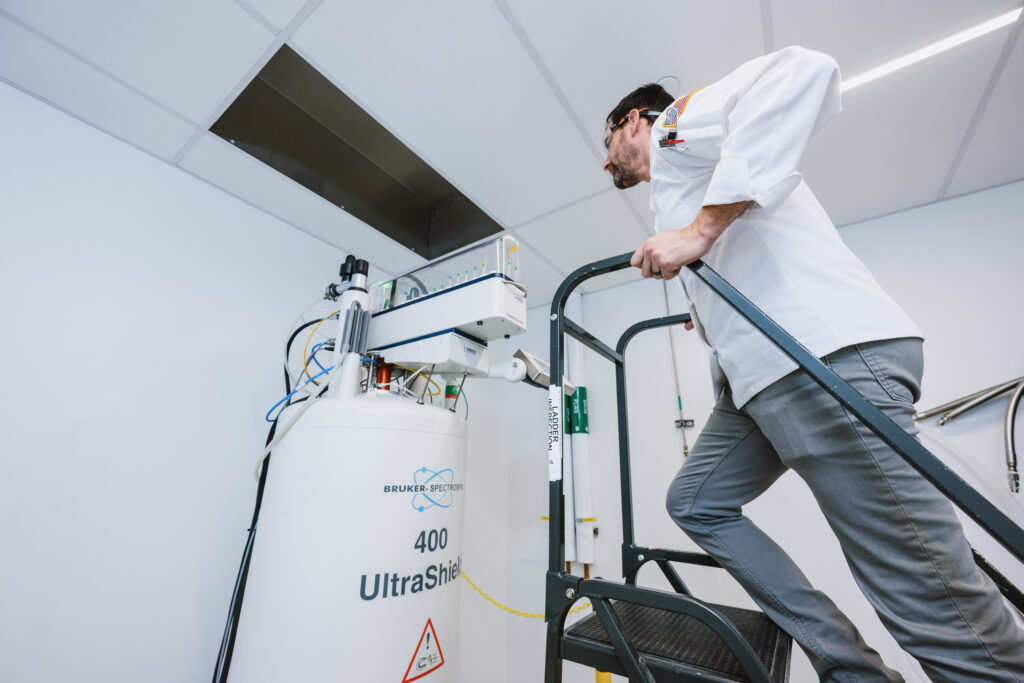
Our operations team helps companies get up and running, and stay focused on what matters most.
A USEFUL TEST
What Happens When Something Unexpected Comes Up?
Ask who you would call if equipment fails, your team needs a specialized resource, a new hire needs onboarding or your next milestone requires a different lab configuration. The answer can reveal as much about a facility as the tour itself.
Choose a Lab That Can Support Growth
Your first lab should meet your immediate needs without making your next stage of growth unnecessarily difficult.
Think about what the company could look like over the next 12 to 24 months:
- How many employees might you add?
- Will you need more benches, fume hoods or equipment?
- Could new research, product development or customer requirements change the work being conducted?
- Will you need additional office space?
- Can you move into a larger lab within the same facility?
- Are lease terms flexible enough to accommodate growth?
- Would expansion require another disruptive move?
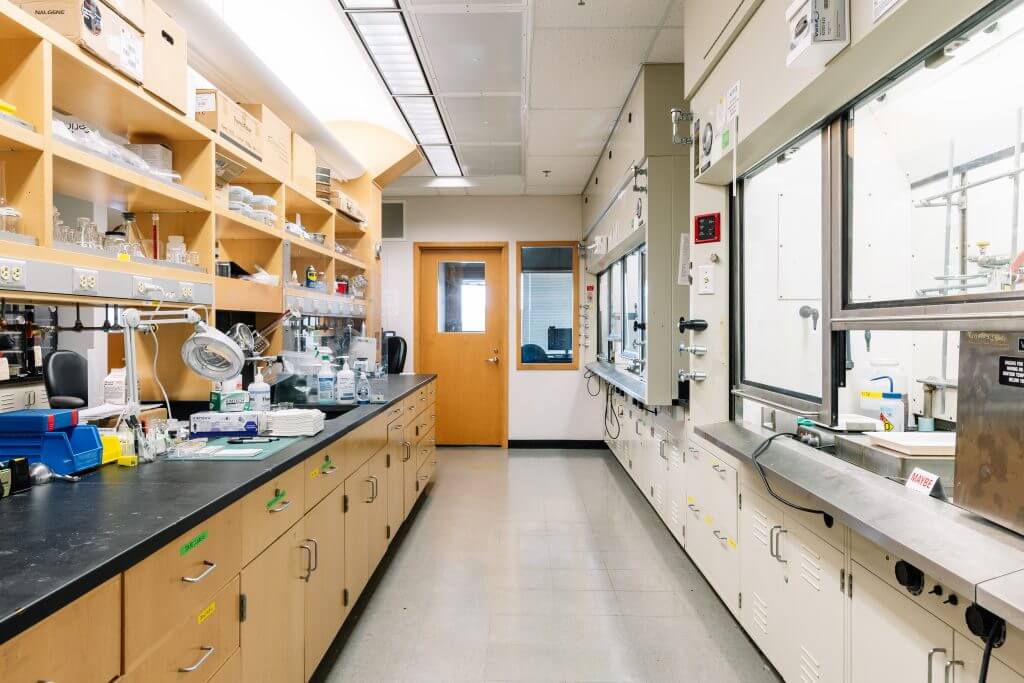
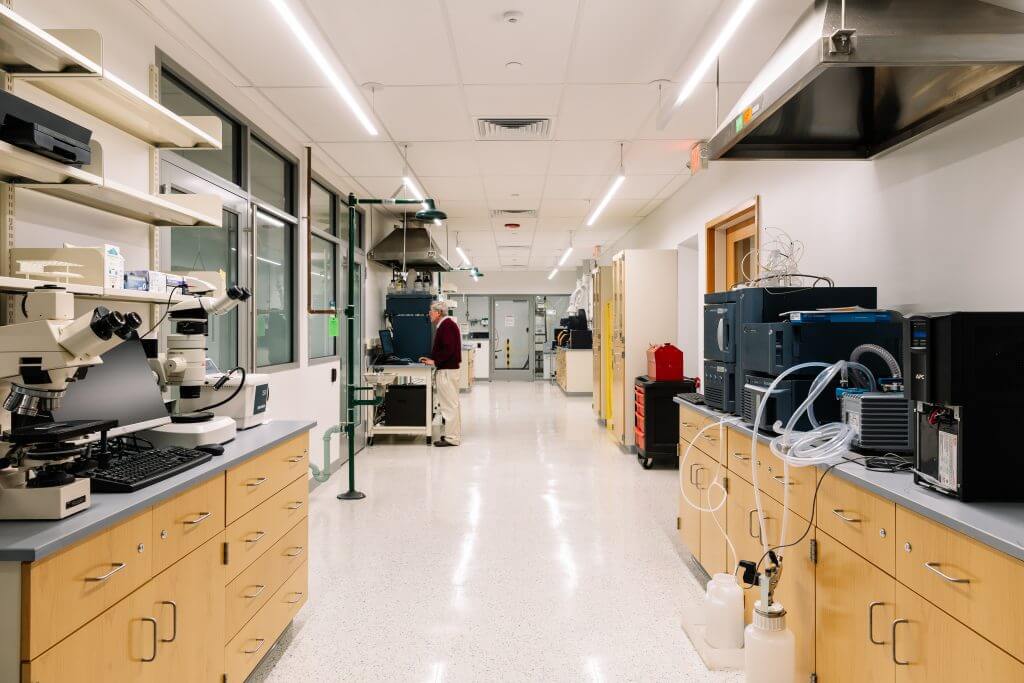
Leasing more space than you need can consume valuable runway. Choosing a space with no room to grow can create the opposite problem, forcing a move just as your work is gaining momentum.
Flexible or modular options can allow a company to start with a footprint appropriate for its current needs and move into larger configurations as its team and operations expand.
No facility can guarantee that a particular space will be available in the future. But understanding the range of lab configurations and growth options can help you assess whether a facility is likely to remain a good fit.
Related: Explore flexible lab options at The Innovation Space.
Consider What Is Available Beyond the Lab
Science-based companies face challenges that extend well beyond R&D. They must build teams, identify customers, raise capital, protect intellectual property, establish partnerships and develop a path to commercialization.
That makes the environment surrounding the lab worth evaluating, too.
Depending on the facility or innovation hub, companies may have access to experienced founders and operators, Entrepreneurs-in-Residence, mentors and technical experts, investors, corporate partners, accelerator programs, university and industry connections, and other science startup founders.
Not every company needs the same level of programming or mentorship. What matters is having relevant expertise available when a challenge emerges.
You might need perspective on fundraising strategy one month and an introduction to a manufacturing partner the next. Access to people who have navigated those decisions can shorten the learning curve and help your team avoid preventable mistakes.
When evaluating a science incubator or innovation hub, ask how it supports companies outside scheduled programming. Look for evidence that introductions, mentorship and business support respond to individual companies rather than following a one-size-fits-all model.
Related: Explore funding and business-building programs at The Innovation Space.

A collaborative community can provide valuable perspective as you grow your company.

Come tour The Innovation Space and learn about how you can build your science-based business and accelerate the path to commercialization.
Connect the Lab Decision to Your Next Milestones
A lab should help your company reach a defined next stage, not simply provide a place to work.
Before signing a lease, you should be able to explain:
- Which scientific or technical milestones the space will support
- How long you expect those milestones to take
- What equipment and personnel will be required
- How the lab fits within your fundraising and operating plans
- Whether the total cost is realistic within your runway
- What growth could look like after those milestones are reached
This becomes particularly important when raising capital. Investors may want to understand how funding will be used, which milestones it will support and whether the company’s infrastructure plan is realistic.
Treat lab space as part of your broader operating and commercialization strategy. The right environment can help you work efficiently, reduce unexpected costs and preserve capital for the activities that move the company forward.
Related reading: From Breakthrough to Business: What We Learned at IS:CleanTech 2026 and What Comes Next.
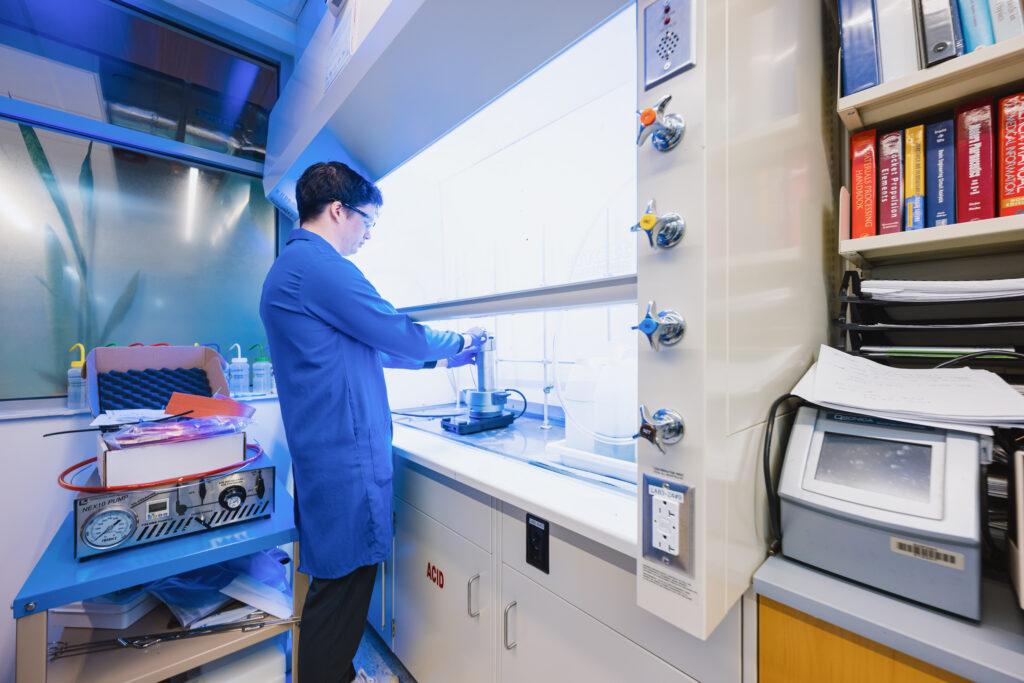
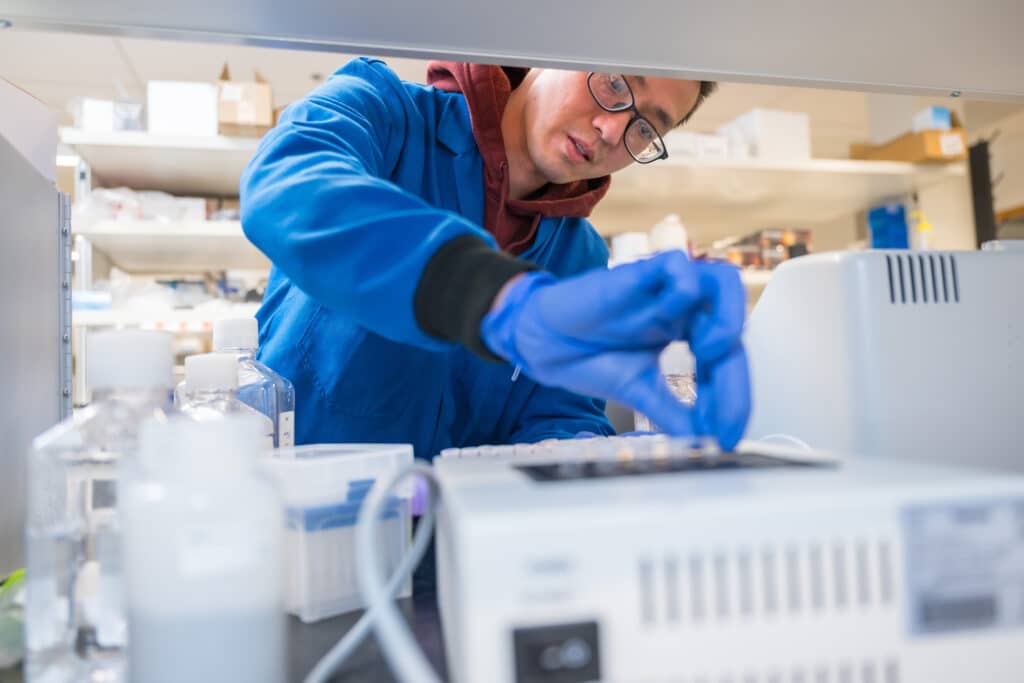
Access to the right equipment and support can speed up development time and reduce the costs to hit your next key milestone.
What Is the Difference Between Lab Space and a Science Incubator?
Lab space generally refers to the physical environment and infrastructure available for scientific work. A science incubator or innovation hub typically combines laboratory facilities with some level of business support, mentorship, programming or connections to investors and industry partners.
Terminology varies considerably. Some facilities specialize in biotechnology or life sciences, while others support companies across chemistry, clean technology, advanced materials or multiple scientific disciplines.
Look beyond the label and examine what an organization actually provides. The important question is not whether a facility calls itself an incubator. It is whether the space, infrastructure, support and community match your company’s scientific and business needs.
BEFORE YOU SIGN
Make Sure You Can Answer Three Questions
- Can this facility support the work required for our next milestones?
- What will it actually cost us to operate here?
- Can the space and support evolve as the company grows?
Questions to Ask During a Lab Tour
You do not need to arrive with a complete technical specification. You should leave with enough information to compare facilities accurately.
During each tour, ask:
- Can this space support our current work and anticipated equipment?
- What is included in the quoted cost?
- What additional fees should we expect?
- Which operational services are handled by the facility?
- Who do we contact when an operational problem arises?
- How is shared equipment accessed and maintained?
- What safety and onboarding requirements apply?
- What options are available if we need more space?
- What startup support, mentorship or programming is available?
- What would we need to do before beginning work here?
Take notes immediately after each tour. Facilities can begin to blend together, particularly when several offer similar equipment or configurations. Comparing every option against the same requirements and cost framework makes the decision much more objective.
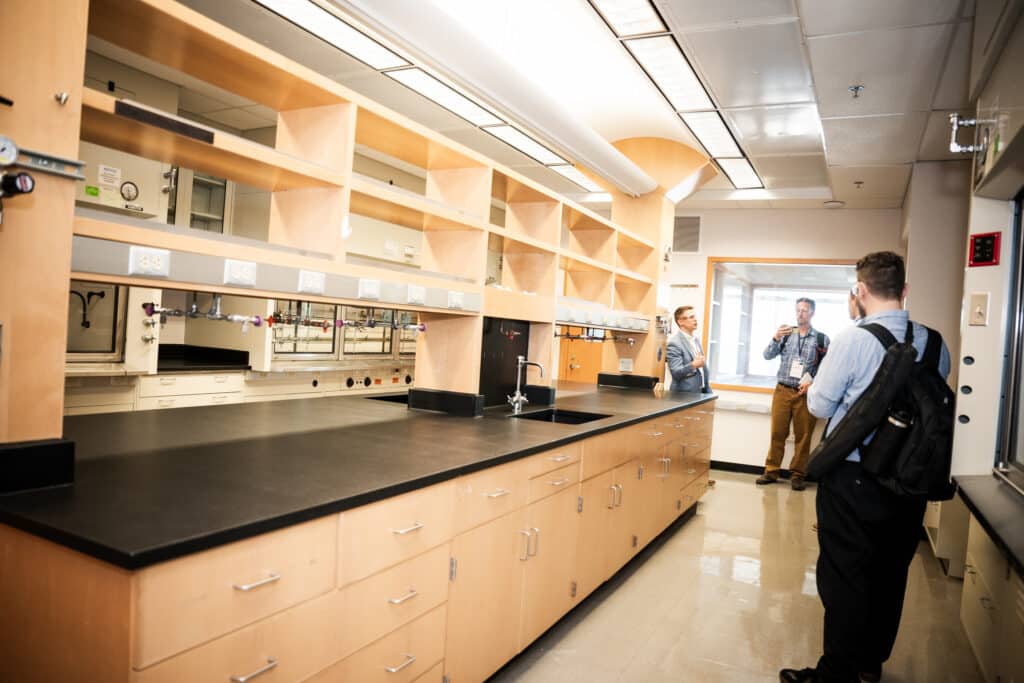
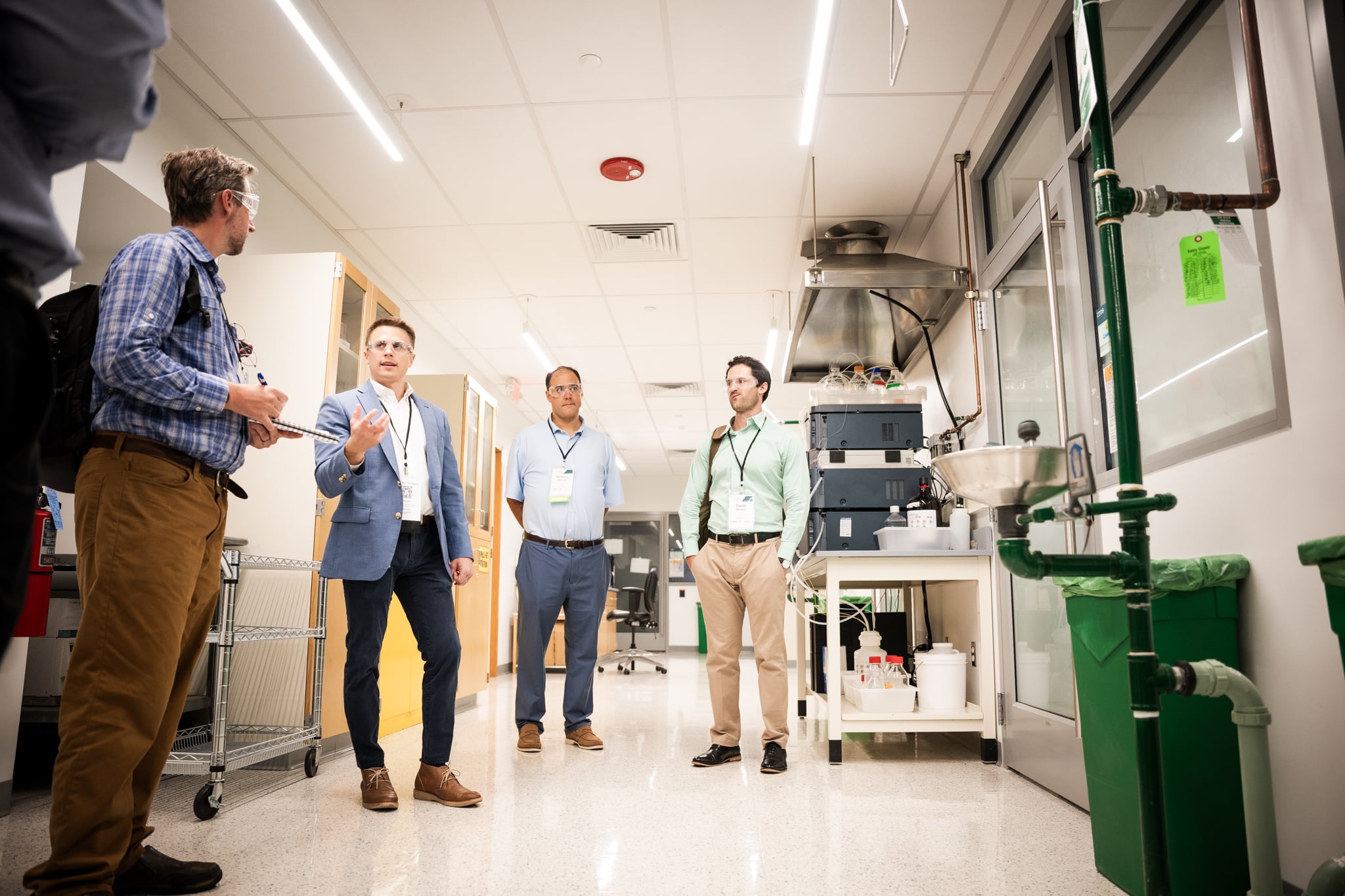
Tour lab spaces your considering to get a full understanding of the amenities, support, and resources available.
10 Questions to Ask When Evaluating Lab Space for Your Science Startup
The Right Lab Can Be an Operating Advantage
The right first lab is the one that supports your scientific requirements, financial runway and next stage of growth.
Evaluate the complete environment: infrastructure, total operating cost, equipment access, operational support, flexibility and the expertise available when your team needs it.
The right lab can help your company become operational more quickly, avoid unnecessary expenses and keep your team focused on moving the science and the business forward.
About The Innovation Space
The Innovation Space provides flexible private lab and office space for science-based startups in Wilmington, Delaware. Companies have access to shared and loanable equipment, experienced onsite operations support, business-building and funding programs, and connections to mentors, investors and industry experts.